
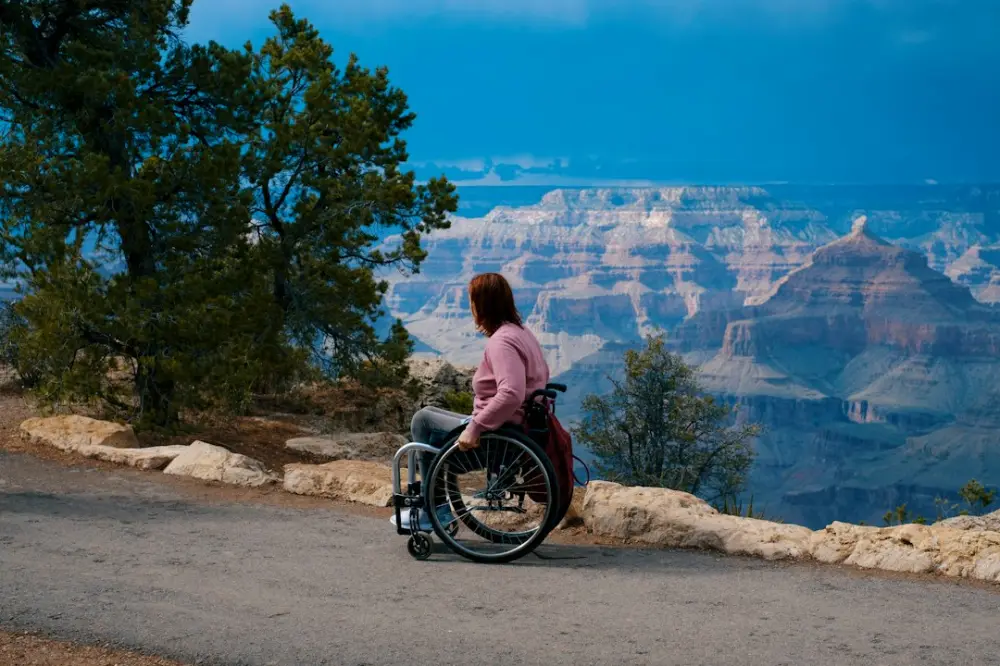
Adventure has long been synonymous with the rugged, the untamed, and, implicitly, the able-bodied. For decades, the visual shorthand for exploration was a mountaineer scaling a vertical face or a backpacker trekking through dense jungle—images that often excluded those navigating the world with different physical, sensory, or cognitive abilities. However, the landscape of global exploration is undergoing a profound transformation. Today, the boundaries that once defined who could seek thrills in the wild are being dismantled, replaced by a philosophy of universal access that recognises wonder as a human right rather than a physical privilege.
This shift is more than just a logistical update; it is a cultural awakening. As we have seen how travel opens your mind to new perspectives, the industry is finally realising that the most transformative experiences should not be gated by a person’s mobility. The evolution of adaptive adventure travel represents a move away from the ‘special requirements’ checkbox toward an integrated approach where the environment, technology, and guiding expertise work in harmony to facilitate discovery for everyone.
The Technological Renaissance in Adaptive Gear
One of the primary drivers of this evolution is the rapid advancement of adaptive technology. The equipment that allows individuals with disabilities to interact with nature has moved far beyond basic modifications. We are currently witnessing a golden age of engineering designed specifically for the backcountry. Off-road wheelchairs equipped with tank-like treads or high-torque electric motors now allow explorers to navigate rocky trails and sandy beaches that were previously impassable.
Redefining the Vertical and the Aquatic
In the realm of climbing and winter sports, the innovation is equally striking. Sophisticated pulley systems and specialized harnesses enable paraplegic climbers to ascend iconic granite faces, while sit-skis have become so aerodynamic and responsive that they are used to navigate the world’s most challenging black-diamond runs. In the water, adaptive surfing and scuba diving programmes use modified boards and buoyancy aids to ensure that the weightlessness of the ocean is accessible to those with spinal cord injuries or limb differences. These tools do not just provide access; they provide agency, allowing the individual to lead the expedition rather than merely being transported through it.
Universal Design in the Great Outdoors
While gear is essential, the infrastructure of the destinations themselves is the other half of the equation. National parks and private reserves are increasingly adopting the principles of universal design. This approach goes beyond installing a single wheelchair ramp; it involves rethinking the entire flow of an outdoor space. Hardened trail surfaces that mimic the look of natural earth but remain stable for wheels, tactile maps for the visually impaired, and audio-described overlooks are becoming standard features in forward-thinking destinations.
When travellers look to find inspiration for their next journey, they are increasingly finding that remote wilderness areas are no longer ‘off-limits.’ From the boardwalks of the Everglades to the accessible viewing platforms of the Iguazu Falls, the infrastructure of adventure is becoming invisible, blending into the landscape while ensuring that the majesty of nature is available to all. This evolution ensures that the thrill of standing (or sitting) at the edge of a vast canyon is a shared human experience.
The Role of Inclusive Guiding and Expertise
Technology and infrastructure are only as effective as the people who manage them. The rise of specialized adventure outfitters has been a cornerstone of this movement. These organisations employ guides who are not only experts in their respective fields—be it white-water rafting or alpine trekking—but are also trained in adaptive techniques and disability etiquette. They understand that an ‘adventure’ is subjective and that the goal is to provide the appropriate level of challenge for each individual.
Moving Beyond the Medical Model
Historically, travel for people with disabilities was often viewed through a medical or clinical lens, focused heavily on safety and risk mitigation to the point of stifling the actual experience. The new wave of adaptive travel adopts a social model, focusing on removing the barriers created by the environment. This shift allows guides to focus on the adrenaline, the storytelling, and the connection to nature. It treats the traveller as an adventurer first and a person with a disability second, fostering an environment of dignity and mutual respect.
The Psychological Impact of Boundless Travel
The benefits of accessible adventure extend far beyond the physical act of reaching a summit or crossing a river. There is a profound psychological liberation that comes from conquering an environment that society has traditionally suggested is ‘too difficult.’ For many, adaptive adventure travel serves as a catalyst for self-efficacy, proving that the problem-solving skills used to navigate a mountain trail are the same ones used to navigate daily life.
Furthermore, this inclusivity enriches the travel community as a whole. When diverse groups of people share a campfire or a difficult trek, the exchange of stories and perspectives becomes deeper. It challenges the stereotypes held by able-bodied travellers and creates a more empathetic, interconnected global community. The ‘wonder’ that defines the Asombrar spirit is amplified when it is shared across the full spectrum of human experience.
The Future of Accessible Exploration
As we look forward, the goal is for ‘accessible travel’ to eventually lose its prefix and simply become ‘travel.’ We are moving toward a future where a traveller with a disability doesn’t have to spend months researching the width of a doorway or the gradient of a path before booking a trip. The digitisation of accessibility data—where trail conditions and hotel layouts are mapped in real-time—is making spontaneous adventure a reality for everyone.
The evolution of this sector is a testament to human ingenuity and the enduring desire to explore. By breaking down the physical and systemic barriers to the wild, we are not just helping a specific demographic; we are improving the quality of travel for everyone. A trail that is easy to navigate for a wheelchair is also easier for a family with a stroller or an elderly explorer. In our quest to reach the furthest corners of the globe, we are finally learning that the most important boundary to cross is the one we built ourselves: the idea that adventure belongs to only a few. The wild is calling, and finally, everyone can answer.