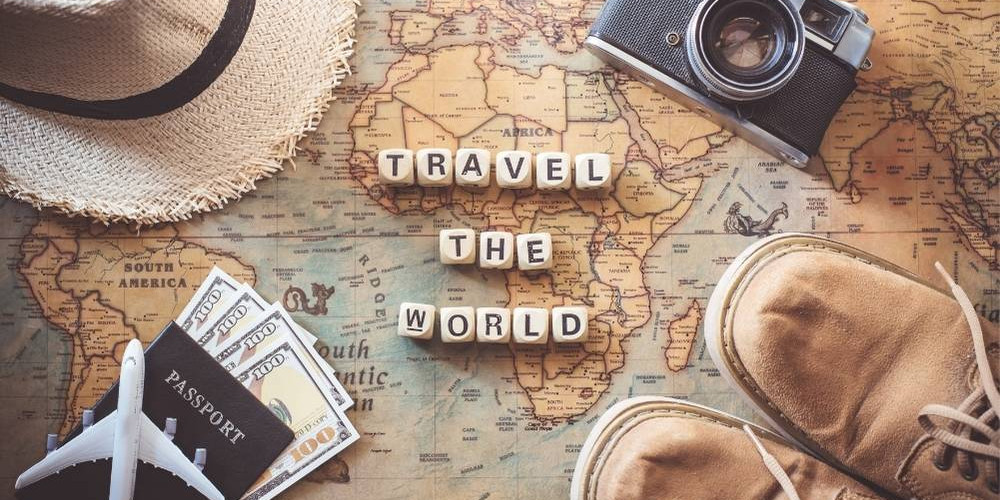

Travel has long been one of the most powerful ways for people to expand their perspectives and experience the diversity of the world. Exploring new places introduces us to different cultures, traditions, landscapes, and ways of thinking. These experiences can challenge our assumptions, inspire curiosity, and deepen our understanding of both other people and ourselves.
Beyond relaxation or sightseeing, travel plays an important role in broadening the mind and encouraging personal growth. By stepping outside familiar environments, individuals gain new insights that can shape how they view the world.
Understanding the impact of travel reveals why exploration continues to be such an important part of human experience.
Experiencing Different Cultures Firsthand
One of the most valuable aspects of travel is the opportunity to experience different cultures directly. While books and media provide information about other societies, visiting new places allows people to observe traditions, customs, and daily life in real time.
Travel exposes individuals to:
- New languages and communication styles
- Local traditions and festivals
- Unique cuisines and culinary practices
- Different social norms and cultural values
These encounters encourage a deeper appreciation for cultural diversity and help travelers develop a more global perspective.
Challenging Assumptions and Expanding Perspectives
Spending time in unfamiliar environments often challenges previously held beliefs and expectations. What may seem normal in one culture can be entirely different in another.
Through travel, individuals begin to understand that:
- Social customs vary widely across cultures
- Different communities solve problems in unique ways
- Traditions and values shape how societies function
This exposure encourages open-minded thinking and helps people recognise that there are multiple ways to approach life and social challenges.
Encouraging Curiosity and Lifelong Learning
Travel naturally sparks curiosity. Visiting historical landmarks, museums, natural landscapes, and cultural sites encourages people to learn more about the places they explore.
Travel experiences often inspire interest in topics such as:
- World history and archaeology
- Geography and environmental landscapes
- Cultural heritage and traditions
- Art, architecture, and local craftsmanship
This curiosity can lead to continued learning long after the journey has ended.
Building Confidence and Adaptability
Travel frequently involves navigating unfamiliar environments, solving unexpected problems, and adapting to new situations. These experiences can strengthen confidence and encourage greater independence.
Common skills developed through travel include:
- Problem-solving in unfamiliar situations
- Communicating across language barriers
- Navigating new cities and transportation systems
- Managing unexpected challenges
These skills contribute to personal growth and help individuals become more adaptable in everyday life.
Creating Meaningful Connections
Travel also provides opportunities to meet people from different backgrounds and cultures. Conversations with locals and fellow travelers can lead to meaningful exchanges of ideas, stories, and perspectives.
These interactions often create:
- Greater cultural understanding
- Personal connections across borders
- Shared experiences that transcend language differences
Through these connections, travel becomes a powerful tool for fostering global understanding and empathy.
Appreciating the Diversity of the Natural World
Exploring new places also reveals the incredible diversity of landscapes and ecosystems across the planet. From mountains and forests to deserts and coastal environments, travel allows people to witness the beauty and complexity of nature.
These experiences often inspire:
- Greater appreciation for environmental conservation
- Awareness of global ecosystems and biodiversity
- Interest in geography and natural science
Connecting with nature in different regions can deepen respect for the planet and the importance of protecting natural resources.
Inspiring Creativity and New Ideas
Exposure to new environments, artistic traditions, and cultural experiences can inspire creativity. Many artists, writers, and innovators throughout history have drawn inspiration from their travels.
New surroundings often stimulate fresh thinking by:
- Introducing unfamiliar design styles and architecture
- Presenting unique cultural expressions through art and music
- Encouraging reflection and creative exploration
Travel can therefore become a powerful catalyst for new ideas and creative expression.

Why Travel Matters in a Connected World
In an increasingly interconnected world, understanding different cultures and perspectives is more important than ever. Travel encourages individuals to move beyond stereotypes and develop a deeper understanding of global diversity.
By experiencing other cultures firsthand, travelers learn to appreciate both the differences and shared experiences that connect people around the world.
This perspective helps promote:
- Cultural respect and understanding
- Global awareness and empathy
- Appreciation for the complexity of human societies
Travel therefore plays an important role in strengthening connections between communities worldwide.
Conclusion
Travel is far more than simply visiting new destinations. It is an opportunity to expand perspectives, learn from different cultures, and experience the diversity of the world firsthand. By exploring unfamiliar places, individuals challenge their assumptions, develop new skills, and gain a deeper understanding of global society.
Whether through cultural experiences, natural landscapes, or meaningful conversations with people from different backgrounds, travel opens the mind and enriches the human experience in lasting ways.